Mandate Order Logistics Diagnostics
Trace stalled workshops, empty armories, and starving districts when goods exist somewhere on the map but not where needed
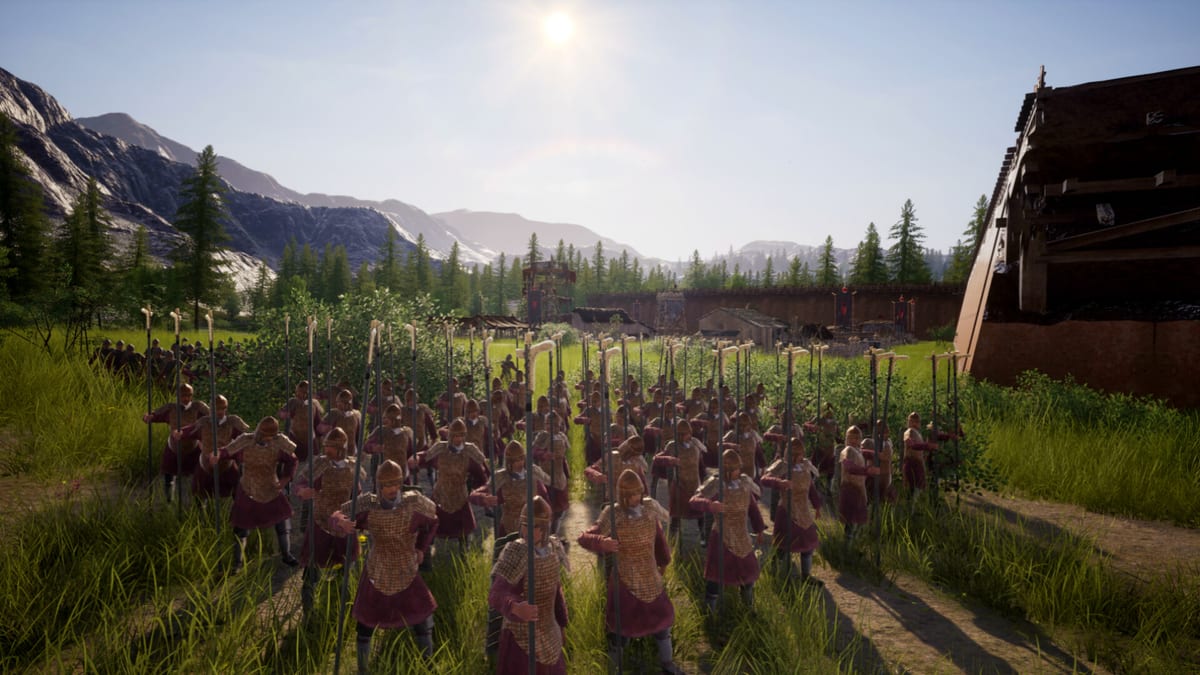
The most confusing Mandate Order failures look like bugs but behave like geography. Your smelter idles while ore sits in a warehouse three screens away. Granaries hold grain yet cottages starve. Armories display weapons icons while barracks refuse conscription. Digital Sky designed non-global logistics on purpose—buildings pull from typed storage within range, and freight stations plus courier posts move surplus to demand along roads peasants actually walk. Early Access launches around August 12, 2026 on Steam and the Epic Games Store with this model central to every economic loop.
This diagnostics page turns how to manage logistics into a structured troubleshooting pass. Run it whenever a consumer stalls despite visible production elsewhere, before you demolish workshops or spam duplicate warehouses.
Step one: confirm the consumer and good type
Open the stalled building—workshop, armory, barracks, or fuel-consuming home district—and identify exactly which input the UI requests. Mandate Order uses typed goods: grain is not ore, spearheads are not shield boards, charcoal is not lumber.
Mis-typed freight is the silent majority of “full warehouse, idle building” reports. A general warehouse packed with mixed goods still fails if the consumer pulls from a specialized category stored elsewhere. Cross-check warehouses and storage for which building accepts which type.
Write down three fields before touching freight settings:
- Consumer name and location.
- Required good category.
- Nearest storage the UI highlights or fails to highlight.
Step two: verify pull range without wishful thinking
Range is path distance, not crow-flight. Draw the walk your courier would take on existing roads. If the only route crosses a river without a ford, a cliff without stairs, or a gate you sealed for siege prep, range might as well be zero.
Fix range by moving storage, extending roads, or inserting a freight station pair—not by building a second consumer farther away. City layout mistakes surface here constantly: beautiful districts that logistics hates.
When range is borderline, upgrade the trunk road segment couriers use most. Road quality matters on high-volume routes between farms, granaries, and industrial spines.
Step three: inspect upstream production
If local storage is empty, trace backward to mines, fields, kilns, or workshops producing the good. Upstream stalls mimic downstream starvation.
Common upstream breaks:
- Mine output full because logging freight stole couriers during harvest.
- Field harvest waiting because granary demand was never set.
- Workshop output backlog because armory demand is missing and output warehouses filled.
Fix upstream before adding downstream duplicates. A second smelter fed by the same starved mine doubles idle buildings.
Step four: validate freight station pairing
Freight stations require explicit supply on the sender and demand on the receiver. A correct pair with zero couriers behaves like no pair at all.
Checklist for each active route:
- Supply building lists surplus above the threshold you configured.
- Demand building lists room below its cap.
- Good category matches on both sides.
- Route status shows active, not paused or blocked.
- At least one courier post covers the path with free workers.
Start one high-value route at a time—grain to hungry district, ore to smelter, spears to armory—before chaining five experimental routes that share one courier hub.
Step five: courier capacity and priority wars
Couriers are a shared resource across construction, harvest, industry, and military resupply. Mandate Order cities fail when every hauler moves grain during the exact week you need stone for wall repair.
Symptoms of courier starvation:
- Freight orders flicker pending indefinitely.
- Multiple stations show waiting status simultaneously.
- Production resumes briefly after harvest ends, then stalls next season.
Fixes: add courier posts at intersection hubs, pause luxury or export freight during crises, and pre-build granary routes in spring so autumn does not hijack every worker. Align priorities with the seasonal planner before winter and siege seasons.
Step six: armory and conscription special cases
Military logistics fail differently. Workshops may produce weapons sitting in general storage while barracks demand armory stock.
Verify:
- Finished kits reached an armory, not merely a workshop output bin.
- Armory categories match intended troop types.
- Barracks sit within armory pull range.
- Mobilization did not conscript the couriers feeding the armory lane.
Run conscription readiness after logistics traces confirm gear exists in the right building class.
Step seven: document and fix in slices
When multiple failures stack, fix in order: water and food, one industrial input, one military output, then expansion routes. Re-run diagnostics after each fix so you know which change solved the stall.
Screenshot freight panels before major layout moves. Early Access UI tweaks may relocate buttons; your routes should remain logically the same.
Patterns that prevent repeat diagnostics
Industrial spine layout: inputs on one side, workshops center, outputs opposite, courier post at the intersection—described in production chains.
District granaries: food local to housing instead of one remote monument store.
Armory lane between smithies and walls: short resupply during sieges per military buildings.
Seasonal freight calendar: spring ore, autumn grain, pre-winter fuel—coordinated with how to farm by season.
Related guides
- How to manage logistics for the full mental model.
- Workshops for industry placement.
- Build hub for warehouse configuration depth.
- How to defend a siege when logistics fail under assault pressure.
- Tools hub for launch and seasonal companions.
Non-global logistics is Mandate Order’s fairest teacher: the map shows exactly where your state broke. Diagnostics turn that lesson into a repair order instead of a rage quit.
Frequently Asked Questions
Quick answers drawn from Early Access systems and common player questions.
Why does my workshop idle next to a full warehouse?
Usually wrong good type or pull range. The warehouse may hold a different category or sit one road segment outside range. Trace typed storage and walking paths first.
Freight orders are set but nothing moves—why?
Check courier posts and worker availability. Valid supply-demand pairs still fail when every courier is hauling harvest grain or siege stone elsewhere.
Should I build duplicate workshops when one stalls?
Only after diagnostics prove the stall is throughput, not input range or courier starvation. Duplicate buildings fed by the same broken route double the idle time.
How do logistics tie to combat losses?
Empty armories and unrepaired walls trace to freight failures more often than bad formations. Fix supply routes before blaming unit counters in combat.
When should I run logistics diagnostics?
Whenever a building stalls, before expanding industry, and after raids destroy a hub warehouse or courier post.