Mandate Order Opening Build Order
A frontier-safe construction sequence for water, food, storage, and your first military gear chain
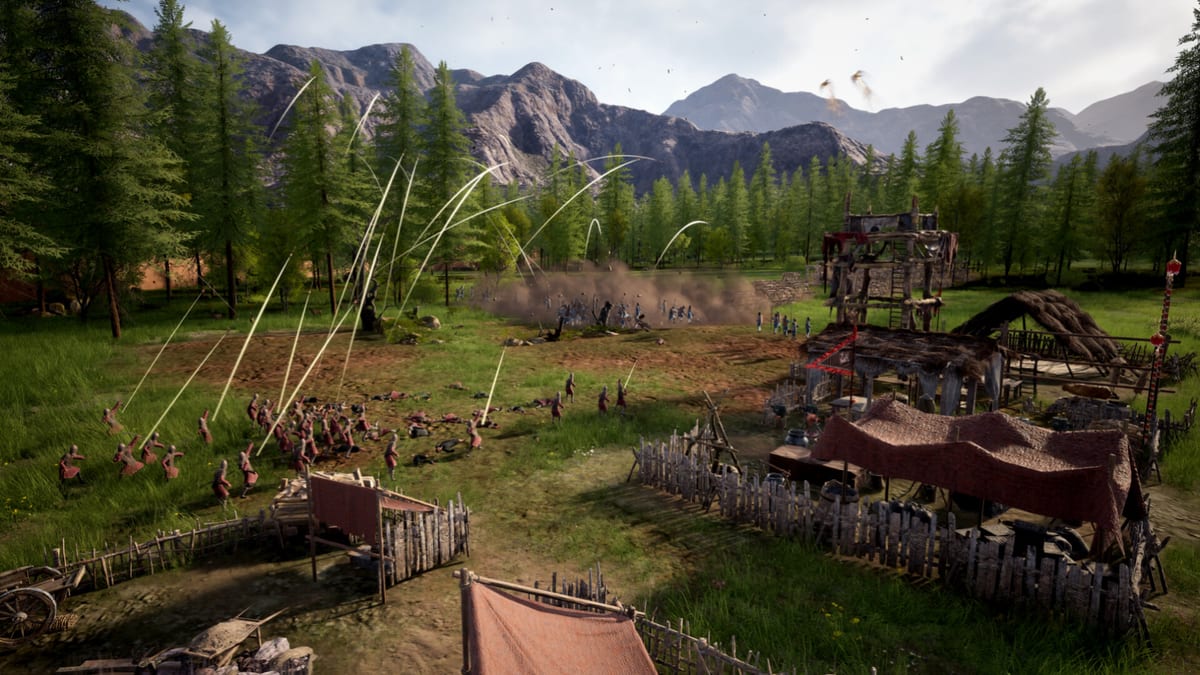
Your first season in Mandate Order sets the ceiling for everything that follows. Digital Sky starts players on a frontier settlement during the Spring and Autumn and Warring States era, with freeform construction, seasonal farming, visible logistics, and invasions that arrive whether your armory is ready or not. This guide proposes a practical opening build order for Early Access maps: secure survival, stabilize labor, open storage, then chain workshops toward an armory before you conscript defenders.
The order below is a template, not a rigid tech tree. Terrain, retainers, and map threats may push you earlier walls or later industry. Still, skipping water, food buffers, or warehouse capacity creates failures that look like combat losses but begin in the build menu.
Phase 1: Water and shelter (first day)
Peasants need homes and access to clean water before they can sustain long construction projects. Official materials highlight wells and homes as foundational structures on a new map.
Place homes within reasonable walking distance of your first well cluster. In freeform build, that means watching actual paths, not straight-line distance. If peasants spend half the morning walking, every later workshop will feel sluggish. Keep early housing compact enough to defend later, but avoid stacking every hut on a single hillside with no room for fields.
Do not mass-expand housing before water is reliable. Thirst and overcrowding stress the same worker pool you need to dig wells and lay roads.
Phase 2: Food and seasonal farming (first week)
Mandate Order uses seasonal agriculture with weather and yield feedback rather than abstract infinite food. Fields and related farm structures should follow wells and basic storage planning. Previews show players managing expected harvest outcomes instead of discovering total famine only in autumn.
Build farm plots where workers can reach them across seasons, accounting for future roads and warehouse pickup points. If you scatter tiny fields for aesthetics, you pay in courier trips later. Connect early farm output to a warehouse or acceptable interim storage so surplus does not sit in a farm building that cannot supply workshops.
This phase is also when you should read the broader guides hub for livelihood and population needs. Build order and morale systems intersect: hungry cities conscript poorly and recover slowly after raids.
Phase 3: Roads, couriers, and first storage (before industry)
Mandate Order logistics are non-global. Resources exist where they are stored until couriers and freight stations move them along roads you build. Before you place expensive workshops, lay a simple road spine from resource areas through housing to a central warehouse district.
Add courier posts once distances grow. Courier capacity is a real limiter in preview explanations: a city can produce ore and still stall if nobody hauls it. Configure warehouse priorities early so construction materials, food, and later weapon parts do not compete in one undifferentiated pile.
See warehouses and storage for demand rules and common misconfigurations. Even a strong opening order fails if freight sends timber to the wrong drop point.
Phase 4: Basic industry toward weapons (second week)
Once food and hauling stabilize, begin production chains toward military gear. Previews describe workshops producing polearms, bows, shields, and armor that must reach an armory before conscription assigns troop types.
A minimal military chain looks like this:
- Secure raw inputs (ore, timber, and other materials shown on your map).
- Build workshops within courier range of those inputs and of target warehouses.
- Route workshop output toward an armory-dedicated storage path.
- Build the armory close enough to barracks and future walls to shorten wartime reinforcement.
The production chains guide expands each hop. The buildings reference lists exact structures and upgrades as Early Access documentation firms up.
Avoid conscripting large armies during this phase. Pulling workers into barracks before gear exists drains labor from mines and fields, reproducing the preview scenario where weapons never reach the armory in time.
Phase 5: Defense scaffolding (before the first major raid)
When previews speak of invasions, they assume you already operate walls, gates, and defensive equipment as part of the city rather than a separate mode. Your opening order should reserve space for a wall line on natural chokepoints identified on the map guides.
Early palisades or wall segments need not encircle everything on day ten, but leaving zero corridor for gates guarantees a panic rebuild under attack. Place the armory and barracks where defenders can reach wall stairs without crossing the entire city.
Combat-specific deployment belongs in the combat hub, especially formations and line drawing and walls and siege. Build order gets you equipped soldiers; formations get them to the right rampart segment.
Retainers and course corrections
Recruiting retainers from the Hundred Schools of Thought can shift optimal order. A Legalist-style emphasis might push earlier administrative buildings; Agriculturalism may reward expanded farm timing. Treat retainers as modifiers to this template, not excuses to skip wells. The retainers section covers assignment to buildings and armies.
Checklist before you leave the opening phase
- Reliable well coverage for current housing.
- Active fields with warehouse pickup for seasonal surplus.
- Road spine plus courier capacity linking farms, mines, and storage.
- Workshop output routing tested into an armory stockpile.
- At least one defensible wall segment or planned choke with gate space.
- Reserve labor not conscripted until gear waits in the armory.
When to break this order
Break the template when the map forces it: a nearby ore vein may justify an early mine; a early raid timer may push walls before a second workshop. When you break order, fix logistics immediately. Mandate Order punishes pretty layouts that ignore freight demand.
If you want a printable sequence as tools arrive on the wiki, check tools for planners. Until then, treat this page as the default frontier route from camp to stronghold.
Frequently Asked Questions
Quick answers drawn from Early Access systems and common player questions.
What should I build first in Mandate Order?
Start with wells and homes so peasants have water and shelter, then fields and warehouse capacity, then roads and couriers before workshops, armories, and walls.
When should I build an armory?
Build an armory once workshops can steady produce weapons and you have logistics tested to move that gear into storage. Conscription depends on armory stock, not just idle workers.
Can I skip warehouses early?
Skipping dedicated storage makes non-global logistics harder to manage. Without warehouses and freight configuration, materials may sit unused in production buildings far from workshops or armories.
Should I conscript soldiers in the first week?
Large early conscription removes labor from farms and mines while gear chains are unfinished. Previews recommend stabilizing food and weapon logistics before mobilizing heavily.
Does terrain change the opening build order?
Yes. Map chokepoints, resource placement, and distance to water affect where homes, fields, and future walls should go. Consult map guides when choosing districts.