Mandate Order Military Buildings
Barracks, armories, walls, towers, and siege works—the structures that turn stocked gear and stone into surviving defenders
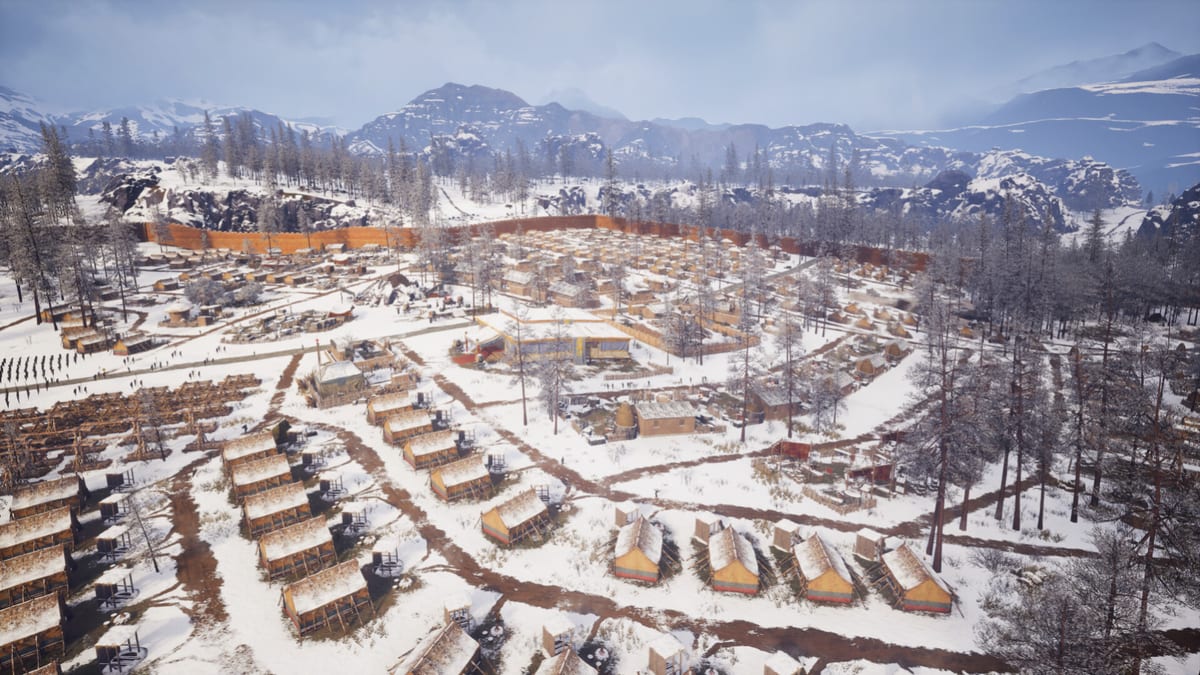
Military buildings translate Mandate Order industry into armies and fortifications that can survive real-time sieges. Digital Sky separates conscription from abstract unit buttons: barracks raise troops only when appropriate weapons and armor sit in nearby armories, and walls defend only when archers can climb towers and gatehouses you planned before the first ram hit. Early Access launches around August 12, 2026 on Steam and the Epic Games Store with wall combat, siege engines, and formation drawing already showcased in official trailers.
This reference covers barracks, armories, walls, towers, gates, and related siege infrastructure. Pair it with how to conscript, walls and siege, units overview, and workshops so every military structure connects to logistics and combat doctrine.
Barracks and mobilization
Barracks are where peasants become soldiers. Conscription pulls workers from your economy and assigns them troop types based on gear categories available in linked armories—polearms, bows, shields, armor sets, and related kits shown in preview materials. You cannot raise heavy infantry from a barracks whose armory holds only arrows.
Barracks placement demands three simultaneous checks:
- Armory range with correct gear types stocked.
- Interior mustering space for formations described in formations and line drawing.
- Road access so reinforcements reach wall gates without threading through farm fields under fire.
Expanding barracks before armory freight works is the most common military-building mistake on frontier maps. Read conscription readiness workflow on the wiki before mass mobilization.
Barracks also increase food and fuel pull on granaries and depots. Mobilization without surplus livelihood infrastructure collapses satisfaction exactly when you need workers hauling stone to breached wall segments.
Armories and gear storage
Armories store finished military goods within pull range of barracks and sometimes wall garrisons. They are the mandatory bridge between workshops and units. Spears crafted in a smelter district do not count for conscription until they physically sit in an armory the barracks can access.
Run armories as active throughput nodes, not trophy vaults. Configure freight from workshop outputs to armory demand continuously, with thresholds set above minimum mobilization sizes you plan to raise. Wartime spikes drain shelves faster than peacetime testing suggests.
Place armories between industry and defensive lines. An armory hugging the frontier wall while workshops sit in the rear valley forces reinforcement along paths that sieges disrupt first. A mid-city armory lane with courier posts at both ends survives raid pressure better.
Armory categories must match troop types you intend to field. Mixed kits help flexible rosters but dilute specialized formations. Plan gear mixes before building duplicate barracks for elite units you cannot equip.
Walls, gates, and wall walks
Walls segment the map into defended interior and exposed exterior belts. Mandate Order builds walls as freeform segments following terrain—ridges, riverbanks, and chokepoints matter per map advice.
Gates control civilian and military traffic. Too few gates choke courier throughput during peacetime and sally exits during war. Too many gates multiply breach points. Stage gate count as economy grows: one controlled gate early, additional sally gates after inner industry stabilizes.
Wall walks require stairs, towers, or ramp access so ranged units reach firing positions. A wall segment without access behaves like a decorative fence when ladders land. When laying segments, verify archer paths before sealing long stretches.
Wall construction consumes stone and labor from the same pools feeding workshops. Pre-stock masonry in warehouses along the planned wall line using production chains timing, not emergency peasant drafts after scouts report an army marching.
Towers, ballistae, and siege engines
Towers extend range and provide elevated platforms for archers and ballistae. Height advantages appear in preview sieges on sloped maps—flat wall lines on hilly terrain waste elevation.
Catapults and other siege engines defend against enemy equipment and massed infantry, but require prepared platforms, ammunition freight, and crew assignments. Engines without stone or bolt resupply routes go silent mid-assault while couriers haul grain elsewhere.
Engine buildings belong near gates you expect to defend hardest, with ammo storage inside the same wall ring. Cross-read how to defend a siege for tactical deployment; this page focuses on structure roles.
Defensive rings and staging zones
Successful strongholds stage military buildings in rings:
- Inner core: command structures, primary armory, emergency granary access.
- Middle belt: barracks, secondary armories, workshop outputs feeding resupply.
- Outer works: towers, forward walls, fields and mines you accept losing temporarily.
Expanding outer works without middle-belt armories creates scenarios where defenders man walls but cannot re-kit after the first engagement. Pull industry inward deliberately rather than sprouting barracks on every hilltop.
Leave mustering plazas inside gates—flat ground where formations and line drawing can assemble polearms before sallying. Crowded gate interiors cause unit pathing delays visible in real-time battles.
Military buildings and logistics under siege
Sieges stress non-global logistics hardest. Couriers dodge raid cavalry, peasants hide, and freight stations lose workers to wall repair. Military buildings assume supply lines that fail unless you designed redundancy.
Duplicate armory feeds from two workshop districts when possible. Run fuel and food priority routes to wall garrisons before luxury goods. Pause nonessential construction freight so stone reaches breach repair sites.
Freight stations near wall interiors move ammo from inner warehouses to tower demand slots. Courier posts at gate hubs prevent single-road collapse when one path is under fire.
If armories empty while workshops still produce, the failure is almost always freight priority—not enemy sabotage magic. Fix demand routes before raising more barracks.
Interaction with retainers and policy
Retainers from Militarism, Legalism, Mohism, and related schools in the Hundred Schools overview modify recruitment, engineering, or defensive bonuses when assigned to armies or structures. Retainers amplify competent logistics; they do not create spears without ingots.
Diplomacy and policy choices may force wars before walls finish. Military buildings planned on paper must match diplomatic tempo—rushing alliances that trigger early sieges punishes incomplete gate networks.
Common military building mistakes
Barracks before armory freight: Units cannot raise; peasants idle while enemies scout.
Wall hugging all industry: Outer farms lost; inner workshops starved when gates seal.
Inaccessible wall walks: Archers stand ground while ladders succeed on undefended segments.
Single armory monopoly: One raid or fire empties entire mobilization capacity.
Engines without ammo routes: Catapults silent during the decisive assault hour.
Ignoring chariot and cavalry space: Some units need wider gates and exterior mustering—see units overview.
Pre-siege military building checklist
Before the first major invasion timer:
- Armory shelves hold kits for every barracks roster you plan to raise.
- At least two freight routes feed armories from separate workshop districts.
- Wall walks accessible for every long segment facing expected attack bearings.
- Towers cover gates and engine platforms with overlapping fields of fire.
- Inner granary and fuel access secured so defenders do not outlast food first.
Compare against combat hub guides for unit counters and build for defensive zoning patterns.
Related guides
- How to conscript for step-by-step mobilization.
- Walls and siege for assault and defense tactics.
- Troop types for gear requirements per unit.
- Workshops for weapon production chains.
- How to defend a siege for the full battle checklist.
Military buildings are the exam Mandate Order prints after months of livelihood and industry homework. Stock armories, walk your walls, and freight ammo before the ram breath—not after the gate splinters.
Frequently Asked Questions
Quick answers drawn from Early Access systems and common player questions.
Can I conscript without armory gear?
No. Mandate Order requires appropriate weapons and armor stored in armories within barracks range. Workshops alone cannot mobilize units without freight into armory stockpiles.
How many armories should I build?
At least one per major barracks cluster, fed by redundant workshop freight routes. Single armories create single points of failure during raids and sieges.
Do walls automatically garrison archers?
Units must path to accessible wall walks, towers, or assigned positions. Inaccessible segments remain undefended until you add stairs or tower access.
Where should siege engines sit?
Near critical gates with ammo storage inside the same wall ring and clear lines of fire. Engines without resupply routes go idle during long assaults.
Which combat guide covers formations on walls?
Read formations and line drawing for unit placement and how to defend a siege for full defensive workflows.