Population and Satisfaction in Mandate Order
Housing, water, food, winter fuel, and growth when your people are content
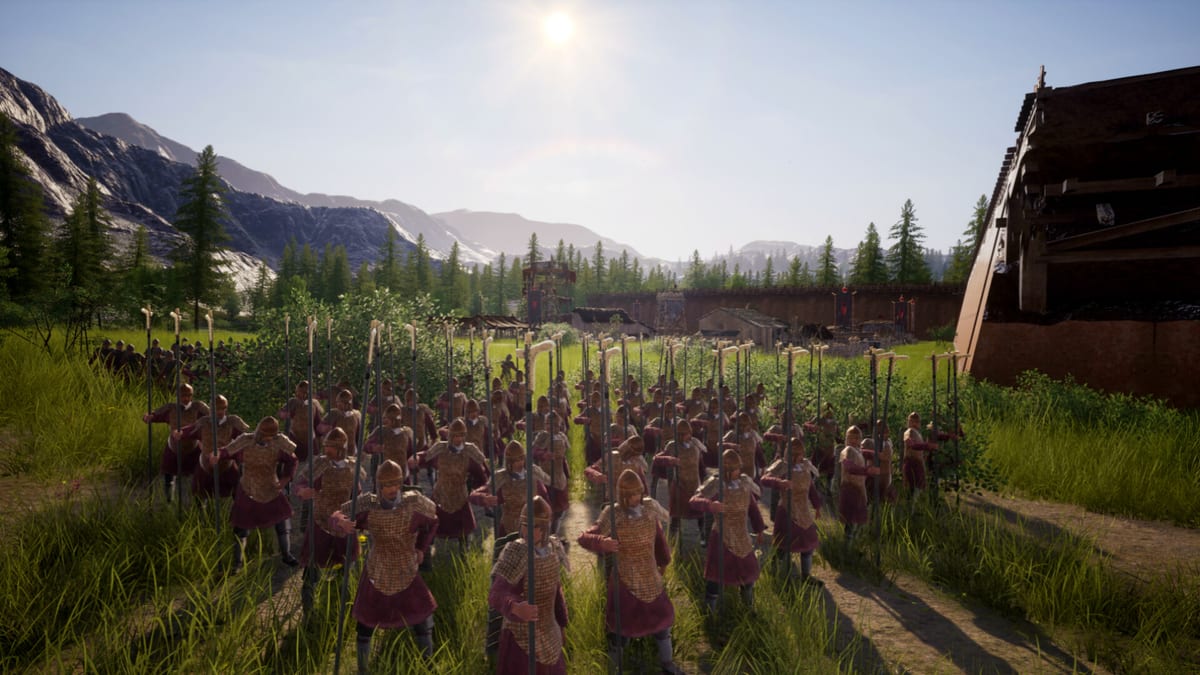
Population in Mandate Order is both workforce and vulnerability. Digital Sky ties population satisfaction to concrete pillars— housing, water, food, and winter fuel— with growth accelerating when those needs stay met and stalling when any pillar cracks. That design connects directly to seasonal agriculture, visible logistics, conscription pools, and diplomatic credibility described across official Early Access materials. Launch targets August 12, 2026 on Steam and the Epic Games Store.
This guide explains how to read satisfaction feedback, plan fuel before winter, and avoid expanding housing faster than services. Cross-read how to farm by season, how to manage logistics, and city layout for implementation detail. For unrest amplified by neglected ceremonies, see ritual and disasters.
Satisfaction pillars at a glance
Preview descriptions emphasize four survival-visible needs:
- Housing — shelter capacity and likely overcrowding penalties when homes lag population.
- Water — well access and walking distance in freeform build layouts.
- Food — seasonal harvests stored through warehouses, not abstract global counts.
- Winter fuel — production planned months ahead so cold seasons do not erase growth momentum.
When satisfaction remains high, population growth picks up, expanding labor for fields, mines, workshops, and eventually conscription. When satisfaction falls, growth stops, unrest rises, and military plans starve for peasants even if barracks exist.
Housing expansion vs service lag
Freeform construction tempts players to paint large residential districts early for aesthetics. Mandate Order punishes housing without services— new homes arrive before wells, granary pickup, or fuel depots scale. Symptoms include satisfaction warnings while UI still shows “busy” peasants walking long paths to water.
Follow opening build order sequencing: cluster early homes near wells, reserve road corridors for later expansion, and add housing in waves sized to current water and food throughput. Confucian retainers may smooth unrest during controlled expansion, but they do not create water from philosophy.
Water access in organic layouts
Unlike grid games with radius circles, Mandate Order uses actual paths peasants walk. A well “nearby” on the map may be far by road if hills or workshops block routes. When satisfaction cites thirst, measure courier and peasant travel time, not straight-line distance.
Upgrade road networks and well counts together— see guides and build hubs. Satisfaction drops from water often precede food riots; fix wells before recruiting military retainers.
Food satisfaction and seasonal timing
Food satisfaction depends on granary reality, not field count alone. Harvest must reach warehouses peasants draw from during lean months. Misconfigured freight sends grain to workshop districts while homes starve— a logistics bug that looks like population failure.
Run seasonal checklists from how to farm by season: planting windows, harvest labor, storage before winter, and courier priorities during mobilization. Agriculturalist retainers help variance but assume sane warehouse configuration from warehouses and storage.
Winter fuel as a long-lead pillar
Fuel is the pillar newcomers forget because summer satisfaction looks fine. Official preview framing lists winter fuel alongside food and water— if fuel chains start too late, growth halts during the season you need maximum indoor labor efficiency.
Plan fuel production during mid-year beats when farming labor allows. Tie fuel depots into the same road spine as granaries so haulers do not cross the entire map twice. Satisfaction recovery after a bad winter takes multiple seasons; prevention beats emergency conscription.
Growth mechanics and labor economics
High satisfaction enables population growth, which feeds Mandate Order’s central tension: more peasants mean more builders and soldiers, but also more mouths during siege seasons. Growth without armory planning drains fields when you conscript for combat tests.
Target controlled growth— expand housing only when four pillars project green through next winter. Digital Sky interviews describe players asking whether cities grew too quickly; satisfaction systems encode that question mechanically.
Unrest, policy, and ritual interactions
Low satisfaction interacts with court debates and national policy from diplomacy and policy. Harsh Legalist edicts may stabilize borders while raising internal unrest if food or fuel lag. Neglected ritual and worship adds disaster pressure that further reduces effective labor.
Fix pillar deficits before blaming philosophy. A Confucian retainer helps when pillars are thin but trending upward; it cannot reverse active famine.
Conscription and satisfaction tradeoffs
Conscription removes peasants from farms and mines at the worst times if timed poorly. Pulling workers during autumn harvest crashes food satisfaction faster than enemy raids. Mobilize after storage thresholds clear and when fuel buffers exist for families left behind.
Military retainers from the retainers hub multiply army quality but do not reduce civilian needs. Pair troop types planning with satisfaction monitoring each season.
Diagnostics checklist when growth stalls
Work through this list before rebuilding districts:
- Housing count vs population — overcrowding penalties?
- Well coverage vs walking paths — thirst icons clustered in one district?
- Granary access — food in wrong warehouse priority?
- Fuel stock — winter approaching with empty fuel storage?
- Ritual debt — disasters or unrest compounding a fixable logistics bug?
- Diplomatic tribute — exports draining food or fuel silently?
Most stalls trace to two combined failures— commonly water lag plus fuel neglect, or housing spike plus harvest mistiming.
Layout patterns that protect satisfaction
Effective city layout clusters homes near wells and markets, keeps farms within seasonal worker reach, and places fuel and granary districts on the same courier spine as housing. Separate heavy industry noise where UI penalizes proximity, and reserve wall corridors without strangling future well expansion.
Early Access expectations
Population formulas, fuel building names, and satisfaction UI may change during twelve months of Early Access. This page documents relationships from verified preview and store descriptions—not invented numeric thresholds. Re-test one full seasonal cycle after major patches.
Use tools when satisfaction planners ship. Return to the systems hub for diplomacy and ritual guides, or guides/how-to-recruit-retainers when stability returns and philosophy slots open.
Frequently Asked Questions
Quick answers drawn from Early Access systems and common player questions.
What affects population satisfaction in Mandate Order?
Preview materials emphasize housing, water, food, and winter fuel. High satisfaction supports population growth; neglected pillars stall expansion and raise unrest.
Why did my population stop growing?
Usually one satisfaction pillar failed— overcrowding, thirst, empty granaries, or missing winter fuel. Audit logistics before expanding housing again.
When should I start producing winter fuel?
Mid-year, well before cold seasons. Fuel is a long-lead pillar; starting during autumn harvest competes with critical farm labor.
Does conscription affect satisfaction?
Yes. Removing peasants during harvest or winter stress hurts food and fuel pillars. Mobilize after storage targets clear when possible.
Can retainers fix satisfaction without wells or food?
Retainers modify how forgiving systems feel— Confucian paths help stability—but they do not replace wells, granaries, or fuel chains.