Getting Started in Mandate Order
A practical opening build order for Early Access—stable food, water, and roads before walls or armies.
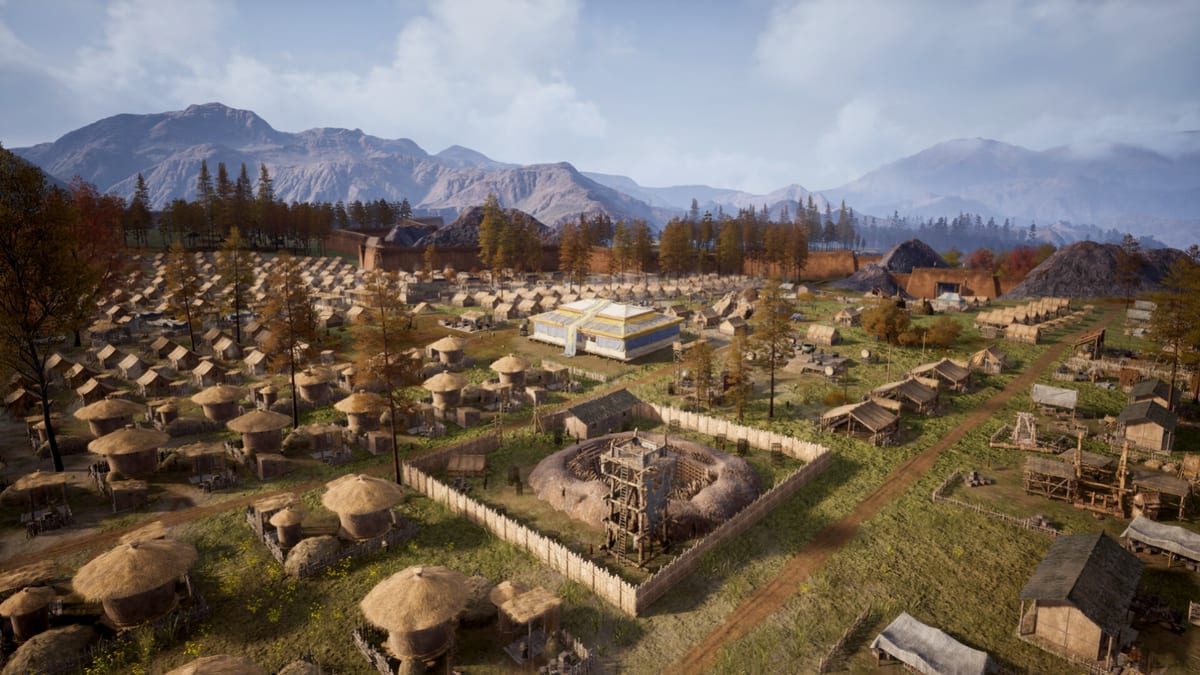
Your first hour in Mandate Order sets whether the Warring States frontier feels like a growing commandery or a collapsing camp. Digital Sky’s Early Access build emphasizes freeform construction, local logistics, and seasonal farming—systems that forgive experimentation only if core needs are met early. This guide assumes you have skimmed How to Play and want a repeatable opening sequence for the live Early Access build on Steam and Epic at roughly $19.99 USD.
Minute zero: survey the map
Before placing prestige buildings, walk the terrain for freshwater, arable soil, timber, and stone. Note where invaders might approach; you do not need full walls immediately, but you should avoid pinning your only granary against an open plain. Mark a compact core district where walking distances stay short—logistics range is your hidden grid. If a river bends through fertile ground, anchor housing along the bank and keep farms on the flat flood side described in how to farm by season.
Steps one through three: water, housing, roads
Place reliable water access before you accept migrants. Dry districts stall growth and tank satisfaction even if food exists elsewhere. Follow with basic housing clustered near water and a future market street. Lay roads early, not as decoration: courier posts and freight stations depend on path quality and upgrades later. A single muddy diagonal saved five seconds in the builder menu can cost hours when clay cannot reach a kiln in time.
Steps four and five: food production and storage
Start a modest farm plot sized to your current population, not your ambition. Mandate Order uses seasonal rhythm—spring planting with harvest arriving on a yearly cadence—so over-expanding fields before workers exist wastes seed and labor. Build a granary within pull range of both farms and housing, then verify grain actually arrives after the first harvest tick. If migrants arrive before storage exists, temporarily lower intake or risk spoilage and panic.
Steps six and seven: essential workshops and warehouses
Add workshops only for proven bottlenecks: firewood or charcoal for upcoming winter fuel, basic tools, and eventually weapons-grade inputs once you plan conscription. Each workshop needs an input warehouse in range and an output destination—often a general warehouse or specialized depot. Read how to manage logistics before duplicating buildings; one well-placed freight station beats three distant copies of the same mine.
Winter fuel before it is urgent
New players treat fuel as a late-game detail. In Mandate Order, satisfaction explicitly expects winter fuel alongside food and water. During your first summer, assign production and storage for firewood or charcoal and test delivery to residential districts. If couriers are busy hauling clay for pottery, fuel will lose the priority war unless you add capacity or separate freight orders.
When to recruit retainers and conscript
Hold retainer recruitment until food and water stabilize—see how to recruit retainers for school-specific timing. Likewise, delay barracks expansion until an armory can store weapons and armor within range; how to conscript explains why empty racks block muster even with idle workers. A small garrison is fine for early raids, but each soldier removed from farming or hauling slows logistics unless freight is already automated.
First defenses without overbuilding
You do not need a full curtain wall on day one. Place a tower or short wall segment covering the likely approach, stock a nearby armory, and rehearse drawing formation lines with whatever garrison exists. When camps escalate, upgrade using how to defend a siege rather than panic-building length that your economy cannot patrol or supply.
Checklist before you call the opening done
Confirm these before you zoom out to diplomacy or distant expansion: every district has water within practical distance; granary stock covers at least one lean season; fuel production is queued; one freight station links a surplus warehouse to a hungry workshop; roads connect couriers without absurd detours; and you know where the next farm expansion goes after spring. If any item fails, fix logistics before aesthetics.
Using preview footage wisely
The embedded preview discussion walks through Early Access expectations and common new-player pitfalls voiced by experienced strategy players. Treat it as commentary layered on top of this checklist—not a substitute for verifying controls and UI labels in your own client after launch. Store pages may show August 11 or August 12 depending on timezone; plan your first session when you have uninterrupted time to finish this opening loop without rushing into conquest.
Frequently Asked Questions
Quick answers drawn from Early Access systems and common player questions.
How large should my first city be?
Keep the core compact until granaries, water, and freight stations work reliably. Expand farms and districts only when couriers are not constantly backlogged.
Should I prioritize walls or farms first?
Farms, water, and granaries first. Short tactical walls or a tower can wait until food and fuel chains survive one full seasonal cycle.
Why do migrants arrive but satisfaction still drops?
Housing, water, food, and winter fuel are separate checks. New houses without water lines or fuel delivery will stall growth even if grain exists city-wide on paper.
When is the right time to build a freight station?
As soon as one workshop regularly lacks input while another district stockpiles the same good. That is the signature logistics failure Early Access players report most often.
What should I do after this getting started guide?
Deepen logistics and seasonal farming, then prepare conscription before neighboring states escalate.