Ritual, Worship, and Disasters in Mandate Order
How ceremonies interact with seasonal labor, retainers, and crisis pressure
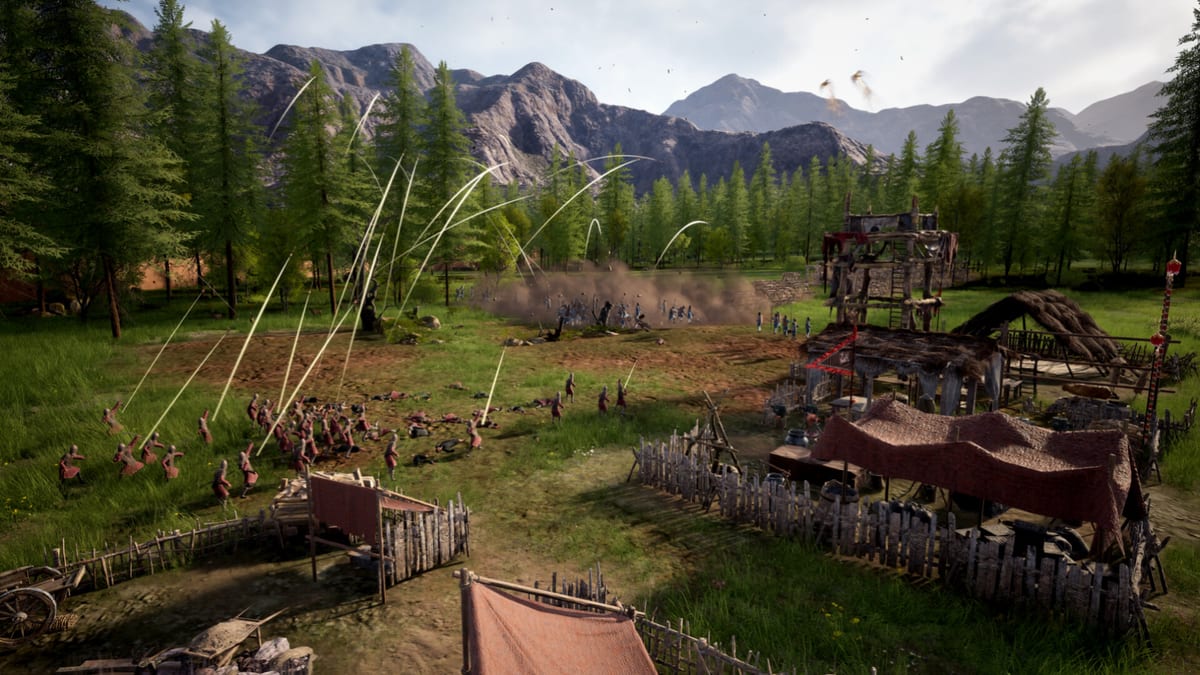
Mandate Order treats ritual and worship as strategic infrastructure, not optional flavor. Official preview materials state that neglected worship increases disaster pressure— drought, plague, unrest, and related crises that consume the same peasant labor you need for planting, hauling, and wall repair. Digital Sky’s Warring States city-builder links ceremonies to retainers from the Hundred Schools, especially Confucian, Daoist, and Yin-Yang traditions that preview discussions associate with rites and balance. Early Access launches around August 12, 2026 on Steam and the Epic Games Store.
This guide explains how to schedule rituals without sabotaging seasonal agriculture, how retainers modify disaster risk, and how to diagnose crises that look supernatural but trace to empty granaries. Pair it with population and satisfaction for morale fallout and diplomacy and policy when court edicts mandate ceremony spending.
Disaster pressure as delayed feedback
City-builders often punish mistakes instantly— a missing well triggers thirst icons within minutes. Disaster systems instead behave like credit debt: skipped worship, ignored altars, or broken ritual chains accumulate pressure until a drought or plague event fires during the worst possible season. That timing mirrors design goals described in Games Press interviews— players should look back and understand why a settlement failed, not merely reload.
Disasters also interact with diplomatic stress and military mobilization. Conscripting heavily before spring rituals complete may win a skirmish while planting stalls— triggering food disasters later even if battle bonuses looked smart short term.
Ritual buildings, worship, and worker time
Ritual content in Mandate Order consumes worker time and likely dedicated structures or districts shown in Early Access UI. Treat ceremonies like harvest tasks with calendars:
- Spring competes directly with how to farm by season planting windows.
- Summer may compete with mine hauling and workshop expansion from opening build order mid-phases.
- Autumn competes with harvest storage and tribute caravans from diplomacy and policy.
- Winter competes with fuel production and satisfaction management.
Schedule major rites during lower-labor beats or after courier capacity increases via how to manage logistics.
Retainers that touch ritual and disaster outcomes
Retainers modify ritual effectiveness or disaster categories rather than replacing ceremonies entirely:
Confucian advisors often emphasize proper rites for stability— valuable when housing expands and satisfaction needs symbolic order as well as wells and food.
Daoist retainers preview discussions link to flexible disaster mitigation— not immunity, but softer landings when crises hit if you invested in philosophical balance.
Yin-Yang schools imply harmonizing opposing pressures— potentially shifting risk between drought, plague, and unrest rather than deleting all events.
Legalist paths may deprioritize costly rites in favor of harsh efficiency— fast in calm years, brittle when disaster debt accumulates.
Assign ritual-oriented retainers to districts or roles tooltips specify; unassigned scholars do not prevent droughts. See how to recruit retainers for assignment workflow and early retainer picks for first-roster timing.
Distinguishing disasters from logistics failures
Players often blame rituals for famines caused by freight mistakes. Before rebuilding every altar, audit basics:
- Do warehouses receive harvest goods? Check warehouses and storage.
- Do couriers prioritize food over construction vanity? Read demand configuration in logistics guides.
- Is winter fuel production started early enough for satisfaction?
- Did conscription drain farmers before autumn storage finished?
If all four fail, disaster events may merely surface a granary problem already guaranteed. Fixing logistics first makes ritual investment meaningful instead of superstitious.
Disaster types and city responses
Exact event rosters may change in Early Access, but preview framing clusters around environmental stress (drought, weather), health stress (plague), and social stress (unrest). Responses mirror pillar fixes:
- Drought — conserve grain, prioritize water infrastructure, delay nonessential builds, consider Agriculturalist retainers long term.
- Plague — isolate labor pools where UI allows, slow conscription, ensure food and fuel remain stable so satisfaction does not compound mortality with riots.
- Unrest — address housing, tax-like policy burdens from court debates, and conscription pacing; Confucian stability paths help if economy supports rites.
Military responses rarely cure plague; sending peasants to walls without spears from production chains worsens both combat and farm timelines.
Ritual synergy with national policy
National policy edicts from diplomacy and policy may mandate ceremony frequency, luxury goods for altars, or austerity that reduces ritual budgets. When debates force costly rites during planting, defer optional construction and pause diplomatic tribute exports until harvest storage clears.
Policy and ritual together explain why Mandate Order resists single optimal build orders— a Legalist austerity run skips worship differently than a Confucian rite-heavy run on the same map.
Seasonal ritual playbook template
Use this template until launch UI confirms exact calendars:
Pre-planting audit: Confirm seed stock, courier routes, and assigned retainers for farm districts.
Post-planting window: Perform major worship that preview text ties to disaster reduction if labor allows.
Mid-year maintenance: Small rites during workshop scaling; avoid pulling miners during ore crunches.
Pre-winter audit: Fuel, granary fill targets, and optional appeasement rites before satisfaction checks bite.
Post-disaster review: Log whether root cause was ritual debt, logistics, or policy; adjust next season accordingly.
Combat, siege, and disaster stacking
Sieges during plague or drought seasons test whether you can spare workers for both wall defense and crisis recovery. How to defend a siege assumes a healthy rear economy; disaster debuffs may reduce haulers or satisfaction precisely when reinforcements must climb ramps. Finish fuel and food buffers before accepting alliance wars that synchronize invasions with ritual calendars.
Early Access expectations
Digital Sky lists richer retainers, policies, and governance paths during the twelve-month Early Access window. Disaster tables and ritual costs may shift between builds. This guide describes strategic relationships verified in preview and store copy—not fabricated event percentages. Re-read ritual tooltips after patches.
Track outcomes in notes or future tools calendars. Return to the systems hub or guides hub when fundamentals still fail despite perfect ceremonies.
Frequently Asked Questions
Quick answers drawn from Early Access systems and common player questions.
Do rituals actually prevent disasters in Mandate Order?
Preview materials tie neglected worship to higher disaster pressure. Rituals reduce or shift risk—they do not replace granaries, wells, or fuel planning.
When should I perform major ceremonies?
Schedule around seasonal labor, especially spring planting and autumn harvest. Use post-planting or pre-winter windows when couriers and fields are stable.
Which retainers help with rituals?
Confucian, Daoist, and Yin-Yang paths preview discussions associate with rites and balance. Assign them per tooltip guidance to relevant districts or roles.
I got a drought despite full granaries— why?
Disasters may still fire from accumulated ritual debt or scenario scripts. Audit logistics anyway; some crises expose hidden freight issues rather than random punishment.
Can I ignore worship on my first map?
You can delay complexity until food works, but completely ignoring worship invites late disaster debt that hits during your first siege or winter crunch.